
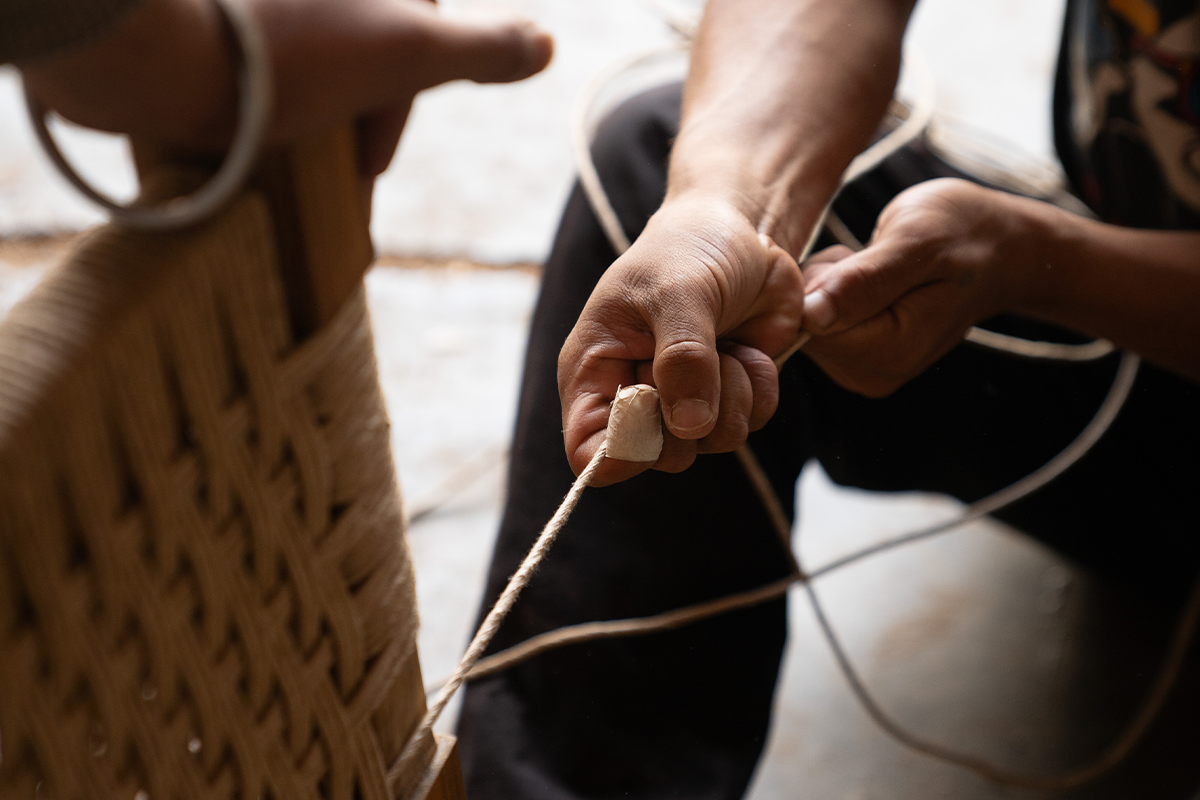
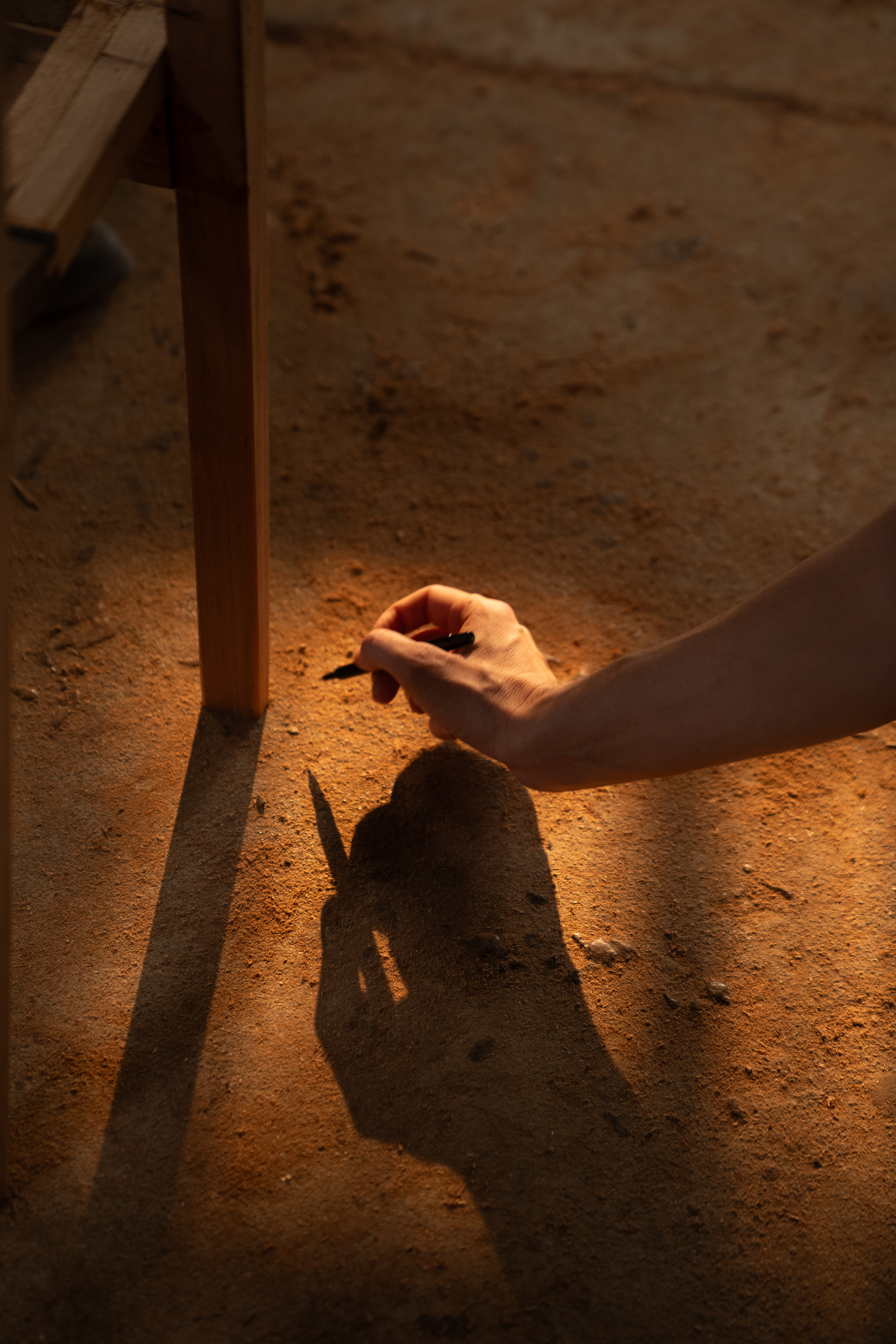
The furniture is crafted by artisans in and around Magadi, where hands guide every stage of making. Machines assist, but they do not lead. Joinery, shaping, and finishing are done through skill refined over years of practice.

hands and
heart of kaiakle
Kaikale means “made by hand” - in Kannada. It focuses on creating furniture that fits naturally into life. It’s about making pieces that feel connected to the place they come from, carrying a quiet history and presence. Each item serves as part of the moments it becomes a part of, grounding them with something real and lasting.
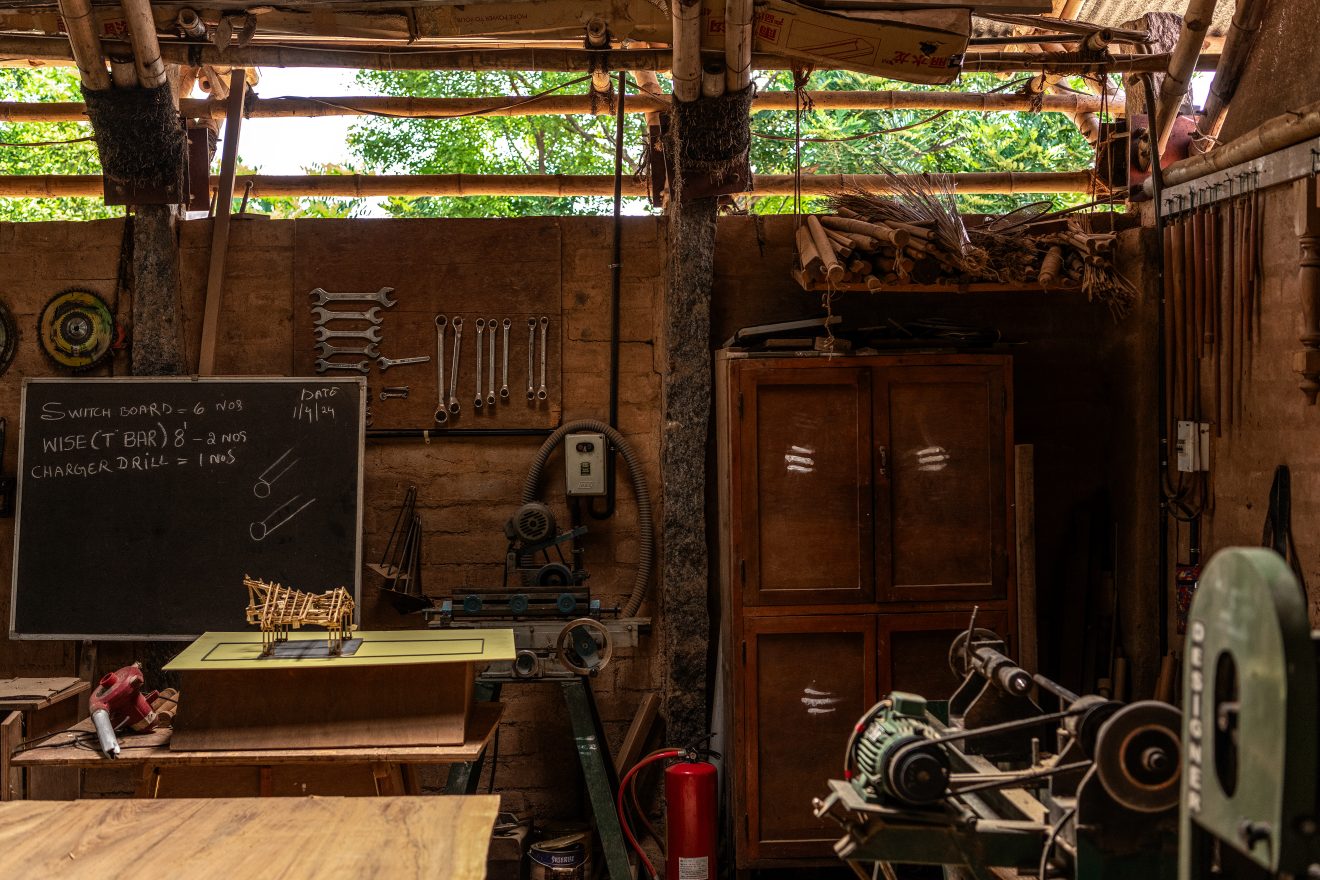
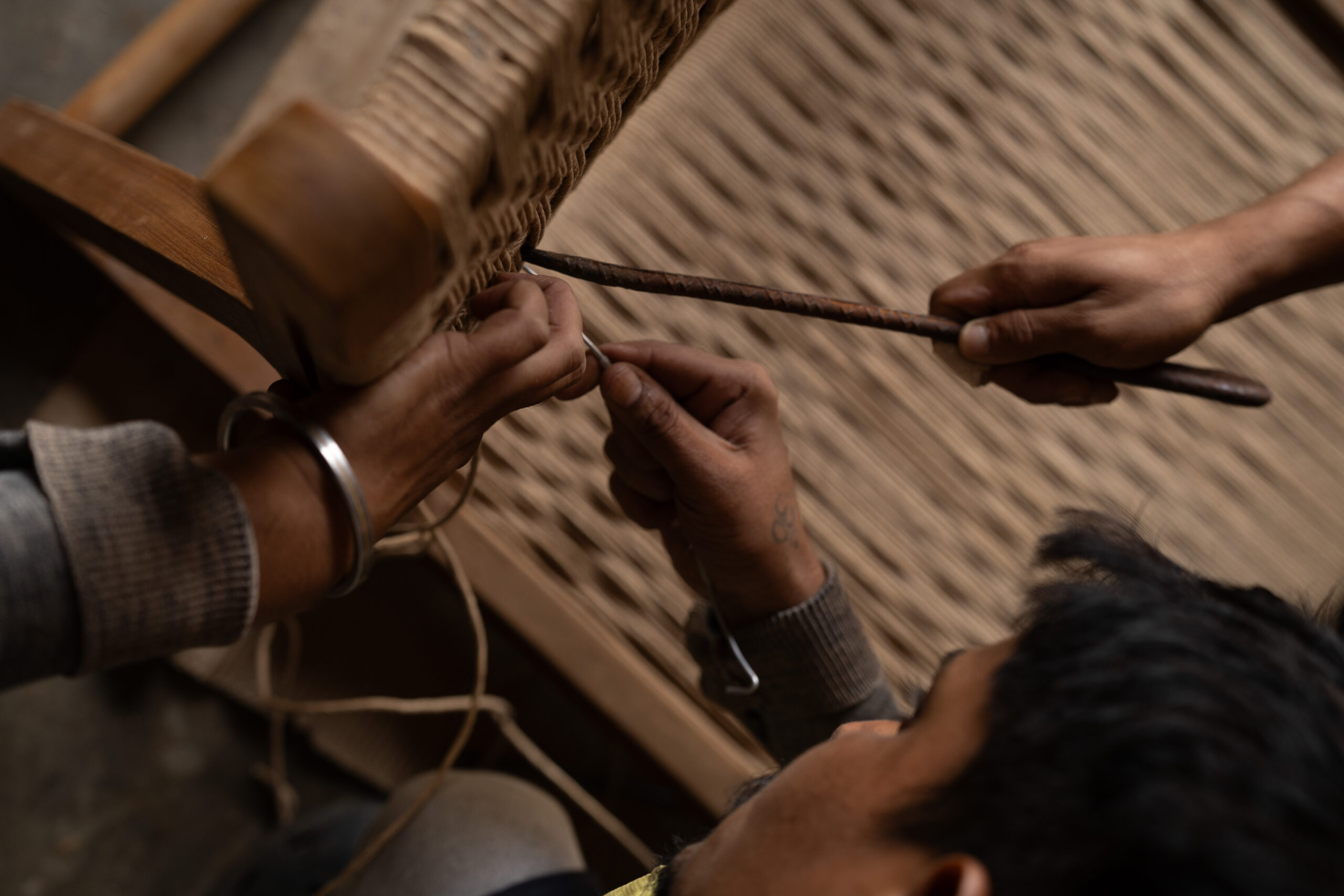
The artisans Kaikale works with are based in and around Magadi, carrying knowledge shaped by years of working with wood. Their understanding is tactile rather than taught, formed through repetition, correction, and time spent with material.
They read the wood through grain, weight, and resistance, adjusting each cut and joint as needed. Decisions are made at the workbench, not on drawings alone. Machines assist where required, but skill and judgement remain central. This closeness between hand, material, and place gives each piece its quiet character - rooted, honest, and unmistakably made.
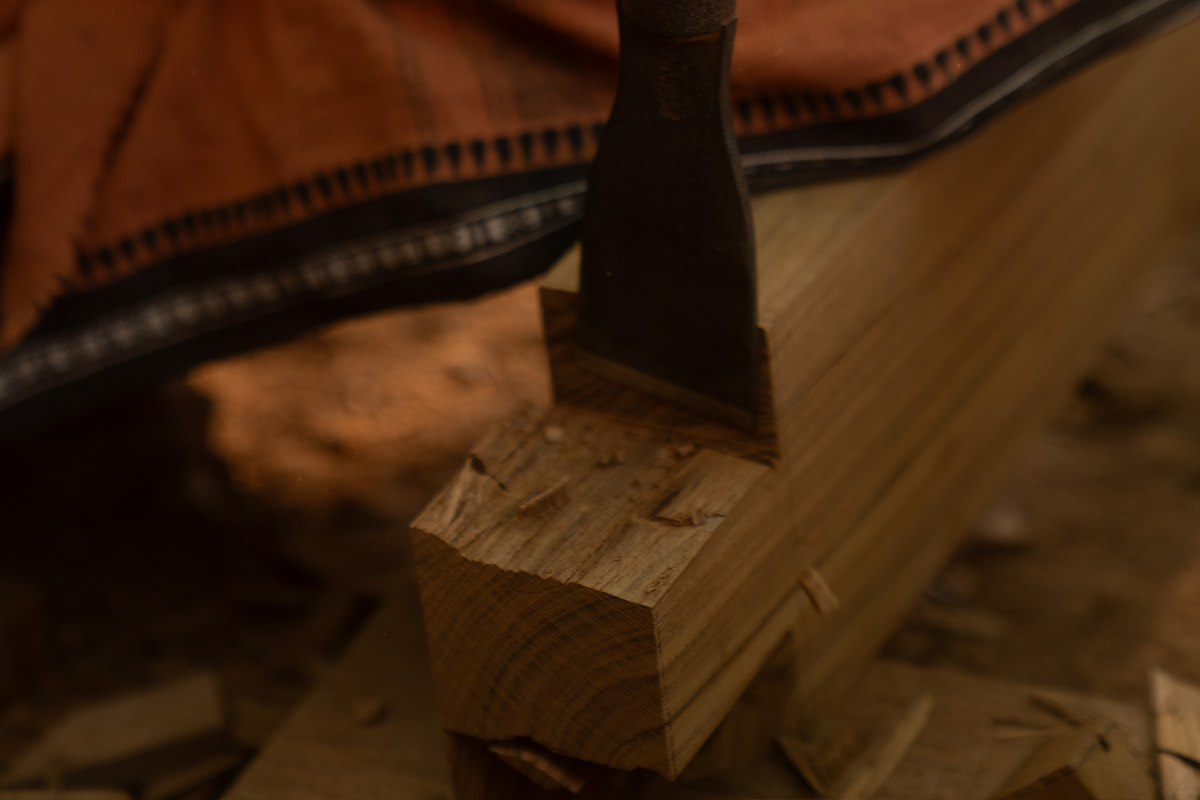
Here, material choice follows responsibility. Kaikale works with non-forest timbers such as coconut wood and palmyra wood, trees that have completed their fruit-bearing lifecycle. Once harvested, they are replaced with new saplings, continuing a cycle of use and renewal.
ajith andagere
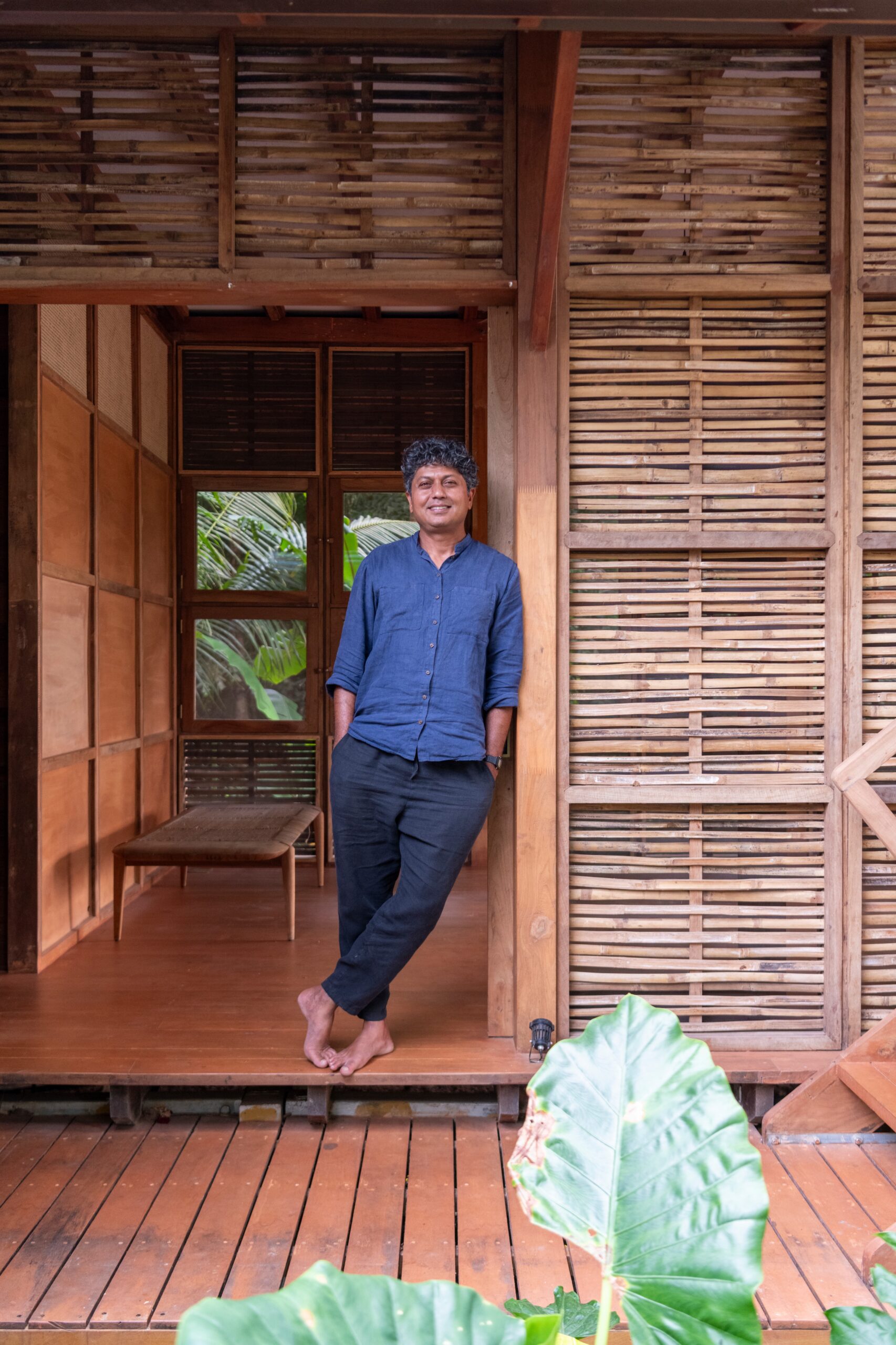
Ajith Andagere is an architect whose work is shaped by attentiveness to place, to material, and to the way spaces are lived in. His approach is grounded in context, allowing site, climate, and everyday use to inform form and structure. Rather than imposing ideas, his architecture emerges through observation and response, resulting in spaces that feel composed, quiet, and purposeful.
Kaikale grows directly from this architectural way of thinking. It is not a departure from practice, but an extension of it, where architecture is distilled into furniture. At this scale, the same questions apply: what belongs here, how will it be used, and how will it endure?
listening to
the land & climate
Furniture becomes architecture at a human scale,objects that are lived with daily, touched often, and integrated into the rhythms of life. Material honesty, structural clarity, and restraint guide every piece. What emerges are objects that do not demand attention, but slowly earn it, shaping spaces through familiarity and presence.
Return to presence, familiarity, and making that feels grounded and real.